EPA's School Indoor Air Quality (IAQ) NewsletterBack-to-School Edition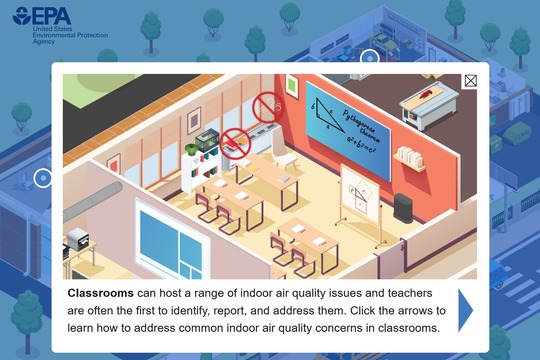 As teachers ready their classrooms for a new year and students return to school, it is also the perfect time to make sure your school is maintaining a strong indoor air quality management program to protect student health. EPA recently published an interactive graphic – pictured above – that highlights common IAQ challenges in schools and offers practical solutions to address them. Take the school IAQ tour and share this resource with school staff and leadership to help introduce the importance of maintaining healthy indoor air. Keep reading for the latest school IAQ resources from EPA and its partners.
EPA resources EPA updates its Sensible Steps to Healthier School EnvironmentsEPA recently published an update to its Sensible Steps to Healthier School Environments resource. This guidance addresses many of the most common environmental health concerns found in schools and outlines practical, low- or no-cost measures to help prevent, reduce, and resolve these hazards. The updated resource addresses issues such as:
- IAQ, mold, and asthma triggers.
- Lead in drinking water and lead-based paint.
- Chemical and pesticide management.
- Wildfire smoke and UV exposure.
- Waste reduction, and more!
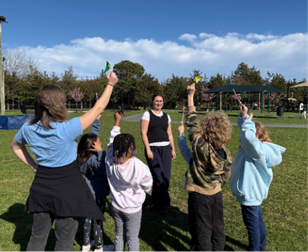
EPA Air Quality Outreach Program at Shinnecock Boys and Girls Club in Shinnecock Indian Nation Territory on May 7, 2026. Air quality education for children in EPA Region 2This May, staff in EPA’s Region 2 office visited children at the Shinnecock Boys and Girls Club and PS 596x elementary school in New York to teach them about indoor and outdoor air quality. The students explored “Why is Coco Orange?”, EPA’s children’s book about air quality and asthma. EPA then introduced the Air Quality Index chart, the tool used to communicate air quality levels of concern. Because children are more vulnerable to air pollution, they are classified as a “sensitive group” on the chart. EPA staff then demonstrated how to check the IAQ using an air sensor and how to check outdoor conditions using AirNow.gov. To reinforce the lesson, students created their own air quality index flags and discussed what each flag color represents.
|






0 comments:
Post a Comment